





China’s pure gasoline producers are lobbying Beijing to extend the variety of energy crops that run on the gas, in a bid to assist prop up faltering demand.
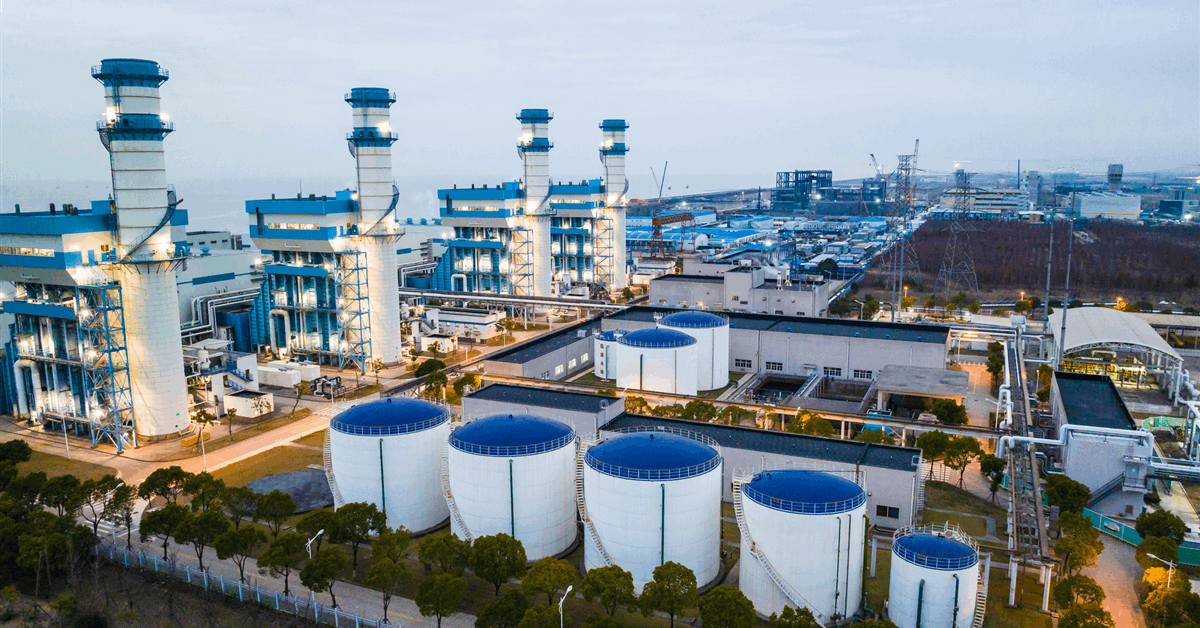
The facility sector – which presently accounts for 18 % of China’s gasoline consumption – is seen by the trade as a key engine of progress, in response to folks concerned in advising on vitality coverage. Beneath the sector’s newest proposal, China would construct almost 70 gigawatts of latest gas-fired capability by 2030, an nearly 50 % enhance from 2025’s estimated degree, they mentioned, asking to not be named because the plan just isn’t public.
The federal government has began accumulating proposals because it drafts China’s subsequent five-year plan, which will probably be ratified by the Nationwide Folks’s Congress in March 2026. The strategic blueprint will define economy-wide targets that stability progress, decarbonization and vitality safety objectives.
- Advertisement -

China’s gasoline demand, as soon as fast-expanding, has slowed over the previous couple of years as a result of weaker industrial exercise, booming renewable-energy provide and a continued reliance on coal. An unseasonably heat winter and powerful inventories have prompted analysts to chop forecasts for China’s imports of liquefied pure gasoline in 2025, with deliveries slated to fall in comparison with the earlier yr.
For home drillers, which have more and more leaned on gasoline as oil consumption too stutters, increasing the quantity that may be offered to the facility sector affords a option to offset weaker progress in heating and elsewhere. Slowing urbanization and improved air high quality have primarily ended a decade-long coal-to-gas transition amongst households.
China is advancing vitality market reforms that can favor less expensive sources of electrical energy technology. Though gasoline energy is dearer than photo voltaic, which presently trades at lower than half the worth, it’s capable of ramp up extra shortly than baseload coal or nuclear. That agility might safe the gas a bigger position within the energy combine, even when clear vitality in the end dominates and limits utilization charges.
Any potential buildout nonetheless faces main hurdles. Seaborne gasoline imports are prohibitively costly in comparison with home coal or renewable sources. Home options need to wrestle with the technical challenges and expense of tapping harder-to-reach shale and coalbed methane reserves. Storage constraints additionally restrict gasoline’s capacity to play a bigger position in assembly peak demand and deal with seasonal spikes.
Generated by readers, the feedback included herein don’t replicate the views and opinions of Rigzone. All feedback are topic to editorial assessment. Off-topic, inappropriate or insulting feedback will probably be eliminated.