





Canada’s oil sands trade lowered its emissions per barrel for the sixth straight 12 months in 2023, whilst one rising portion of the sector moved in the wrong way, in keeping with new Alberta authorities information launched Thursday.
The emissions depth of all oil sands websites fell to the equal of 0.399 metric tons of carbon dioxide per cubic meter of bitumen produced, down from 0.404 in 2022, the information present. The acquire displays enhancements at oil sands mines, the place bitumen is dug from the bottom. Nonetheless, in situ oil sands, which use wells just like conventional oil producers, noticed emissions per barrel rise.
Even with the effectivity enchancment, complete emissions rose to the equal 80.1 million metric tons of carbon dioxide, up from 78.8 million in 2022, the info present. That’s the best in information again to 2011.
- Advertisement -

The oil sands’ declining vitality depth — to the bottom in information stretching again to 2011 — is welcome information for an trade that has struggled with a fame for being local weather unfriendly, prompting some buyers to shun it altogether. Nonetheless, the rising emissions depth at properly websites presents a problem for the sector, as the strategy’s decrease prices make it more and more well-liked amongst producers.
Whereas the common depth of oil sands producers is increased than the common for the worldwide oil trade general, drillers ‘emissions profiles differ broadly world wide, stated Kevin Birn, chief analyst for Canadian oil markets for S&P World.
The oil sands “matches properly throughout the vary of carbon depth of oil and gasoline we see on the earth,” Birn stated in an interview.
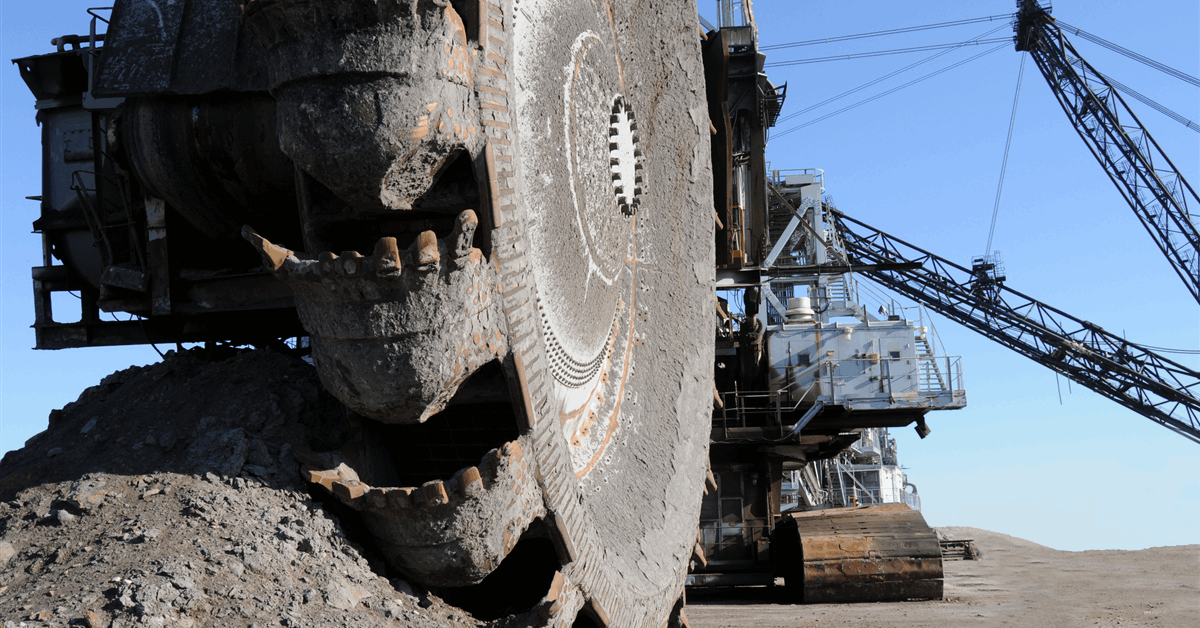
All the oil sands mines lowered their emissions depth with Canadian Pure Assets Ltd.’s Horizon making the largest acquire for the 12 months.
In situ manufacturing amenities, which embrace the greater than 250,000 barrel-a-day Suncor Vitality Inc. Firebag web site and Cenovus Vitality Inc.’s Christina Lake, inject steam into the bottom to pump the viscous bitumen out of the earth. The emissions depth of such amenities, the supply of about 52% of the bitumen produced within the oil sands, rose to 0.426 in 2023 from 0.417 a 12 months earlier.
In situ websites’ emissions depth can improve for a variety of causes, together with merely via the addition of latest wells, as a result of steam is injected into the bottom lengthy earlier than bitumen is produced, Birn stated.
The most important emissions depth will increase for big producing websites got here from Strathcona Assets Ltd.’s Tucker, the place depth has been rising every year since 2018, the info present. The most important drop occurred at Canadian Pure’s Wolf Lake and Primrose Plant.
Strathcona and Canadian Pure didn’t instantly reply to messages in search of remark.
Generated by readers, the feedback included herein don’t replicate the views and opinions of Rigzone. All feedback are topic to editorial evaluation. Off-topic, inappropriate or insulting feedback will probably be eliminated.