




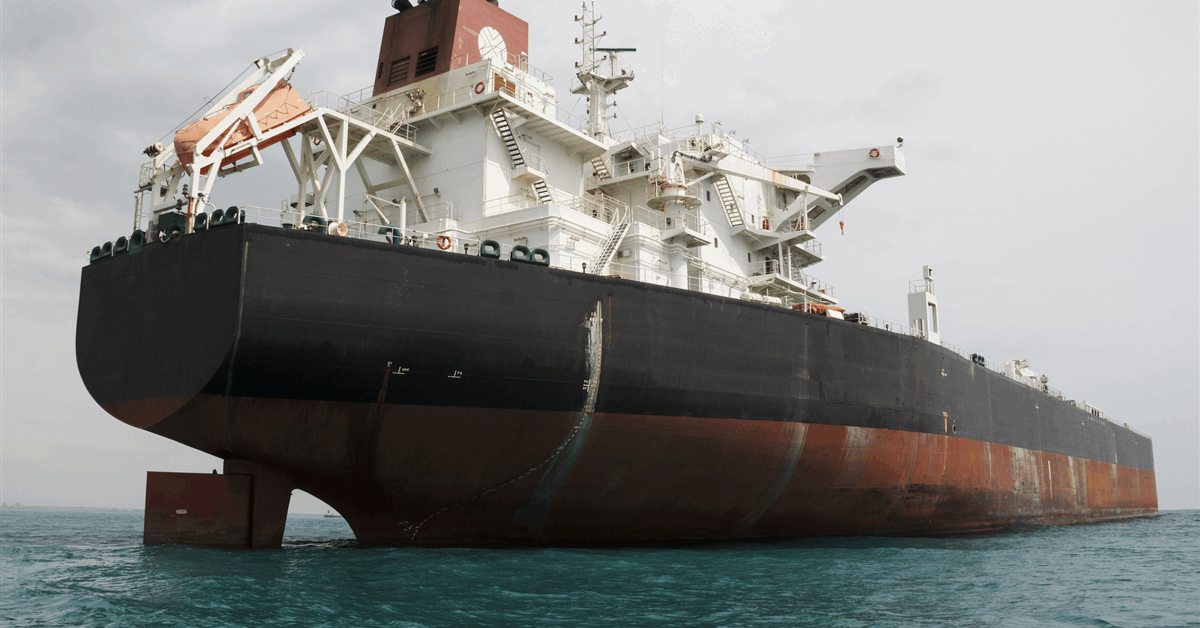
India’s state-run refiners are planning to order 10 domestically-built vessels to move fuels across the nation as the federal government pushes forward with its ambition to broaden the shipbuilding trade.
Indian Oil Corp., Bharat Petroleum Corp. and Hindustan Petroleum Corp. plan to collectively subject a young later this yr for the medium-range tankers, in response to individuals accustomed to the matter who requested to not be recognized as a result of the data isn’t but public. The proposal could possibly be valued at as a lot as $600 million, and would require supply to begin by 2028, they stated.
The South Asian nation is looking for to bolster its home constructing capability, with ships more and more seen globally as nationwide strategic sources for power, commerce and protection. India at the moment has a minimum of 40 yards, however solely 4 have the flexibility to make vessels which are larger than the medium-range tankers.
- Advertisement -

Nonetheless, refiners are lukewarm to the concept of proudly owning and working tankers, and have approached the federal government for monetary assist, in response to the individuals. It’s extra economical for the processors to constitution ships, they stated.
Indian Oil Corp., BPCL and HPCL didn’t reply to emails looking for remark.
The medium-range tankers might be within the vary of fifty,000 to 60,000 deadweight tons, and the tender may value the ships at $55 million to $60 million every, the individuals stated. Indian Oil Corp. is predicted to personal six of the vessels, whereas BPCL and HPCL will every personal two, they stated.
Pursuing domestically constructed ships may come at the next price for the refiners. The typical value for a South Korean-built medium-range tanker – typically seen as high quality – was about $50 million final month, whereas China-made vessels got here in about $7 million cheaper, in response to Braemar Plc.
About 13 % of India’s petroleum merchandise are transported over coastal routes, whereas greater than half of the nation’s domestically produced fuels are moved through pipelines, in response to the oil trade’s downstream regulator.
What do you assume? We’d love to listen to from you, be a part of the dialog on the
Rigzone Power Community.
The Rigzone Power Community is a brand new social expertise created for you and all power professionals to Communicate Up about our trade, share data, join with friends and trade insiders and have interaction in knowledgeable neighborhood that can empower your profession in power.